
What many actors get wrong about casting
Most actors believe casting is about delivering the perfect performance. In reality, casting is about making fast, clear decisions under pressure.
Drop us an email: service@veras.com.au
CONTACT US
Give us call: +61 434 037 767
Or complete the form below:
VERAS
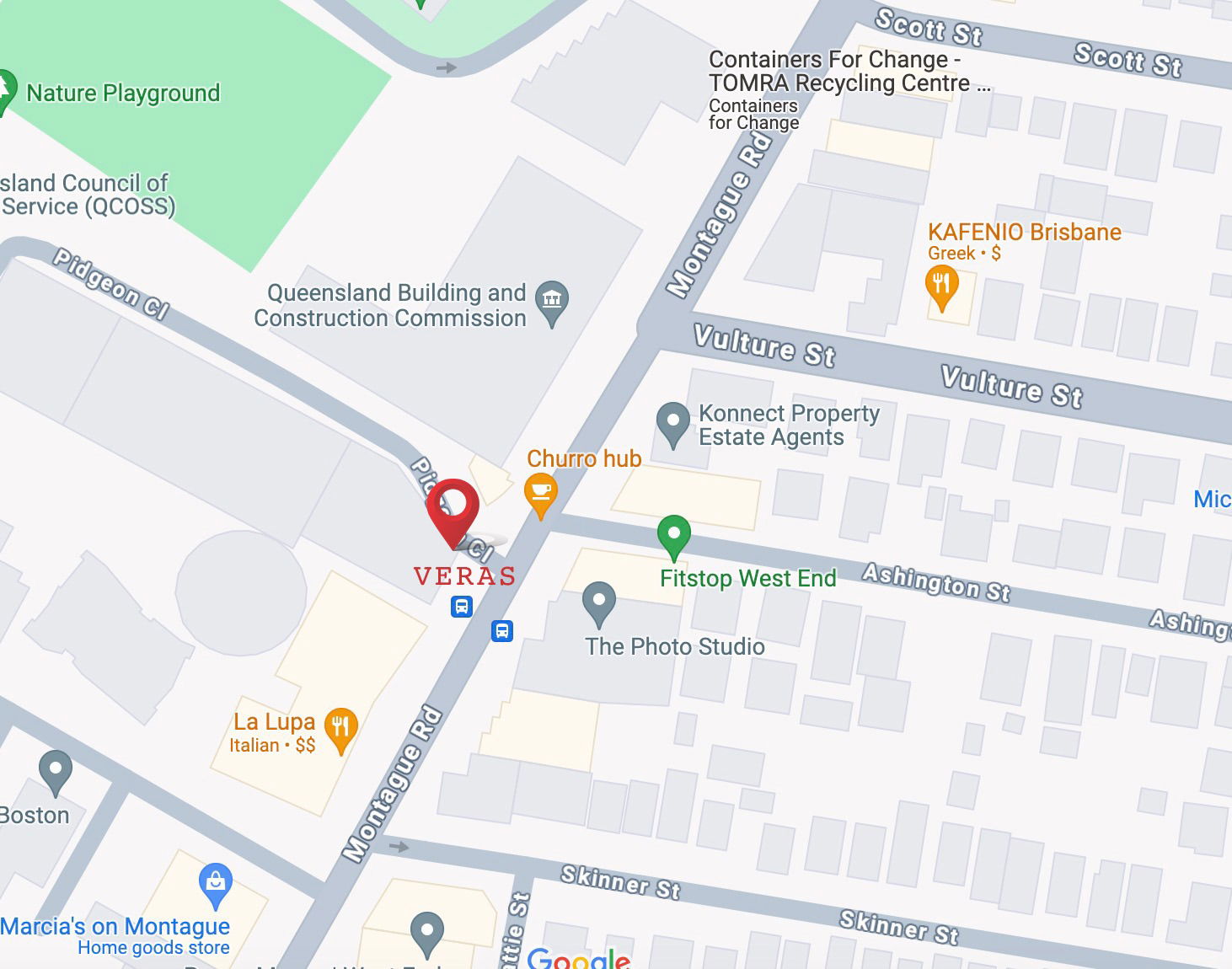
Free car park is available for our visitors.
Studio is located in the West End, Brisbane.
Unit 1A, 305 Montague Road, West End, Qld, 4101
How to Prepare for a Casting
and
What Actually Happens in the Room
A common misconception is that actors need to “perform harder” during auditions in order to stand out.
This often leads to:
• over-acting
• forcing emotional intensity
• locking into one prepared performance choice
• trying to impress instead of respond naturally
• treating auditions like stage performances instead of screen tests
But casting is rarely about doing more.
It is usually about being easier to understand.
If casting directors need to spend too much time “figuring out” who you are or where you fit, it becomes harder for them to confidently move forward.
Why headshots matter long before the audition
For many actors, the casting process begins before they ever enter the room.
Professional headshots are often the first point of evaluation.
Before an actor is invited to audition, casting directors may already be deciding:
• whether the actor fits the role visually
• whether they feel believable for the production
• whether they are worth bringing into the room
That is why acting headshots are not simply portraits.
They are professional casting tools designed to communicate recognisable casting types, authenticity, and natural screen presence.
At VERAS Video and Photography Studio Brisbane, we approach actor headshots with a strong focus on casting clarity, believable role positioning, and natural representation within real casting environments.
Final takeaway
If there is one thing actors should understand about casting, it is this:
Casting directors are not searching for actors who try to do the most. They are searching for actors who are the easiest to understand and place into the role.
Preparation is important.
But clarity, adaptability, and authenticity are often what make actors memorable.
Preparing for casting starts long before the audition room
A great audition begins with being seen in the first place. Headshots that accurately represent who you are can help casting directors make confident decisions before you ever step in front of the camera.
If you're reviewing your current portfolio, it may be worth asking a simple question: Do my headshots still reflect the actor I am today?

For many actors - especially at the beginning of their careers - the casting room feels unpredictable.
You arrive. You wait. You are called in. Sometimes you receive script sides in advance, sometimes only moments before the audition. Within minutes, you are expected to represent your ability, personality, and suitability for a role in front of people you have never met.
Naturally, many actors assume the goal is to impress.
But that is rarely how casting actually works.
Casting directors are not sitting in the room searching for the most dramatic or theatrical performance. They are usually asking something much simpler:
“Can I clearly see this person in the role - and can I trust them to deliver naturally on set?”
That distinction changes everything about how actors should prepare.
What casting directors are actually looking for
In most auditions, casting directors are filtering quickly.
They are not trying to fully explore your range as an actor in a few minutes. They are trying to reduce uncertainty and determine whether you fit the role clearly and naturally.
Three things usually matter most:
1. Clarity of casting type
Can they immediately understand where you fit?
Not every actor needs to appear “versatile” in a casting room. In many cases, being recognisable and believable is far more valuable than trying to show every possible emotional range.
Casting directors often respond best to actors who feel easy to place into a role category.
2. Ease under direction
Professional productions move quickly.
Casting directors often adjust scenes, change tone, or give new direction during auditions to see how naturally actors can adapt.
Actors who remain calm, flexible, and responsive are often easier to imagine working on a real production set.
3. Authenticity under pressure
One of the most important qualities in casting is natural presence.
Actors who stay grounded and believable under observation often create stronger auditions than those trying to “push” emotion or intensity.
In many cases, subtle and truthful performances feel far more cinematic than exaggerated ones.
What actually happens inside a casting room
Step 1 — Arrival and first impression
The audition often begins before you speak.
Casting teams observe how actors enter the room, settle themselves, and communicate naturally under pressure.
This is not about personality. It is about presence.
Do you feel prepared, grounded, and comfortable in the environment?
Step 2 — Direction or briefing
Actors may receive:
• script sides
• tone adjustments
• quick scene explanations
• last-minute direction changes
This is not designed to create stress.
It is often intended to evaluate adaptability and responsiveness.
Step 3 — Performance
Most audition reads are surprisingly short.
Casting directors are usually not searching for perfection. Instead, they are observing:
• how naturally the actor responds
• whether adjustments improve the scene
• whether the performance feels believable on camera
• whether the actor remains consistent under pressure
Step 4 — Adjustment and feedback
This is often one of the most important moments in the audition.
An actor who can quickly absorb direction and adjust naturally often creates a very strong impression.
Professional productions require collaboration, flexibility, and efficiency - and casting directors are evaluating those qualities early.
The real secret: casting is often about reducing uncertainty
Many actors prepare by trying to show everything they can do.
But casting usually works in the opposite direction.
Casting directors are not trying to expand possibilities. They are trying to reduce uncertainty and make confident decisions quickly.
That means clarity matters.
The easier it is for them to understand:
• your casting type
• your natural energy
• your screen presence
• your suitability for the role
…the easier it becomes to imagine you inside the production.
How to Prepare for a Casting
and
What Actually Happens
in the Room
What casting directors
are actually looking for
What actually happens
inside a casting room
The real secret: casting is often
about reducing uncertainty
Why headshots matter long
before the audition
Preparing for casting starts long
before the audition room