
If your headshots are more than a few years old, the real question is not “do they still look good?” — it is “do they still look like you?”
Drop us an email: service@veras.com.au
CONTACT US
Give us call: +61 434 037 767
Or complete the form below:
VERAS
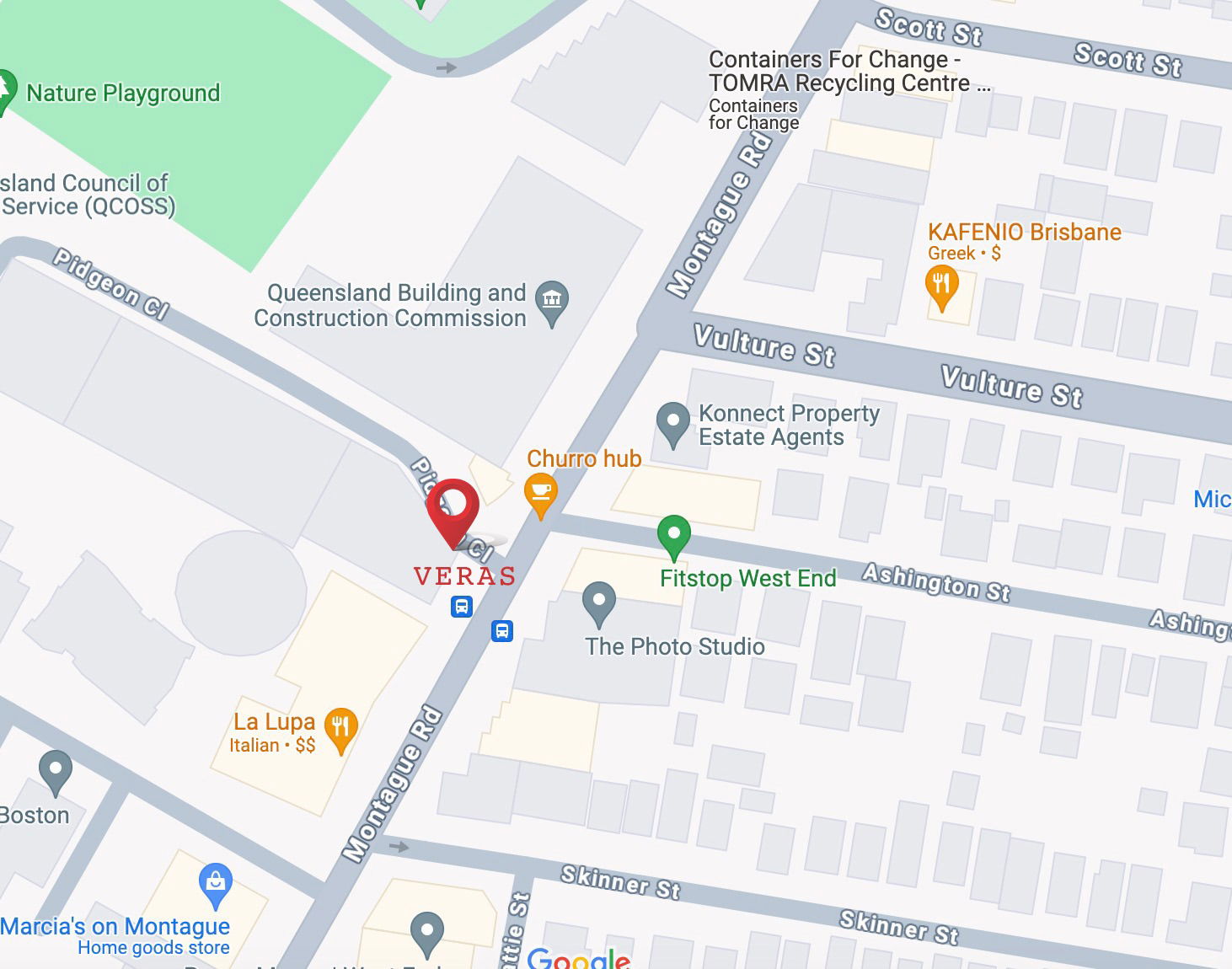
Free car park is available for our visitors.
Studio is located in the West End, Brisbane.
Unit 1A, 305 Montague Road, West End, Qld, 4101
If your headshots are more than a few years old, the real question is not “do they still look good?” — it is “do they still look like you?”
Many actors treat professional headshots as a long-term investment.
Once they have a set of images they like, they continue using them for years without reconsidering whether those photos still represent their current appearance, energy, or casting type.
But within the acting industry, headshots are not permanent assets.
They are active casting tools.
Casting directors, agents, and producers are not evaluating headshots based only on photography quality or style. They are evaluating whether the image accurately represents the actor they expect to meet in person.
That usually comes down to one simple question:
“Would we immediately recognise this person if they walked into the room today?”
If the answer feels uncertain, even slightly, the effectiveness of the headshot begins to decline — regardless of how visually strong the image may still be.
How Often
Should Actors Update Their Headshots?
How long do acting headshots usually last?
There is no universal expiration date for actor headshots.
However, industry expectations generally follow a practical timeline:
• 1–2 years → actively auditioning or professionally working actors
• 2–3 years → emerging actors or occasional submissions
• Immediately after significant appearance changes
These changes may include:
• hairstyle or hair colour changes
• visible ageing or maturity
• weight or body composition changes
• changes in personal style or screen presence
• shifts in casting type or professional direction
In many cases, the issue is not dramatic physical transformation.
It is subtle evolution.
Actors naturally change over time — and casting materials need to evolve with them.
Why accurate headshots matter more than perfect ones
Actors sometimes hold onto older headshots because they believe those images are their “best” photos.
But casting directors are not searching for the most flattering version of an actor.
They are searching for the most believable and accurate one.
A clean, natural, current headshot will almost always perform better in casting than an outdated image that no longer reflects the actor realistically.
Because casting depends heavily on consistency between:
• the submitted image
• the actor’s real appearance
• and the role being considered
The closer those elements align, the easier it becomes for casting directors to move forward confidently.
Headshots should evolve with your casting identity
As actors grow professionally, their casting identity often changes naturally.
Someone who previously submitted for younger commercial roles may gradually shift toward:
• more grounded dramatic roles
• authority figures
• mature commercial campaigns
• professional or cinematic character types
Professional headshots should evolve alongside those transitions.
Actor headshots work best when they reflect how casting directors will actually perceive you in a real audition setting — clear, natural, and aligned with your current casting type.
Final takeaway
Professional acting headshots are not designed to last forever.
They are designed to remain accurate, current, and believable within the casting industry.
Because in casting, recognition matters.
And even strong images eventually stop working when they no longer reflect the person walking into the room.
Professional casting starts with accurate representation
Headshots are often the first impression casting directors receive before an audition is ever offered.
Professional acting headshots help communicate:
• current casting type
• natural screen presence
• recognisable identity
• believable role suitability
For casting directors, the most important factor in a headshot is instant recognition of casting type — a requirement that guides every session at VERAS Video and Photography Studio Brisbane.

Signs your headshots may no longer be working
Outdated headshots do not always look “bad.”
In fact, many actors continue using older photos precisely because the images still look visually strong.
The problem is not aesthetics.
The problem is recognition.
Common signs your portfolio may need updating include:
• people say you look different in person
• you hesitate before sending your headshots to agents
• your current appearance feels disconnected from the images
• your casting type has evolved
• you avoid using certain photos because they no longer feel accurate
• you no longer immediately recognise yourself in the images
These are not photography concerns.
They are casting concerns.
Why outdated headshots quietly reduce opportunities
Casting decisions often happen very quickly.
In many cases, profiles are reviewed for only a few seconds before decisions are made about callbacks or shortlist selections.
If a headshot creates uncertainty, even unintentionally, it can interrupt that process.
Casting teams may begin asking themselves:
• “Does this still reflect the actor today?”
• “Will this person look different in the audition room?”
• “Does this image still match the role we are casting?”
That hesitation creates friction.
And in fast-moving casting environments, uncertainty often leads to a very simple outcome:
The production moves on to the next submission.
How Often
Their Headshots?
Should Actors Update
Signs your headshots
may no longer be working
Why outdated headshots
quietly reduce opportunities
Why accurate headshots
matter more than perfect ones
Headshots should evolve
with your casting identity
Professional casting starts
with accurate representation