
Drop us an email: service@veras.com.au
CONTACT US
Give us call: +61 434 037 767
Or complete the form below:
VERAS
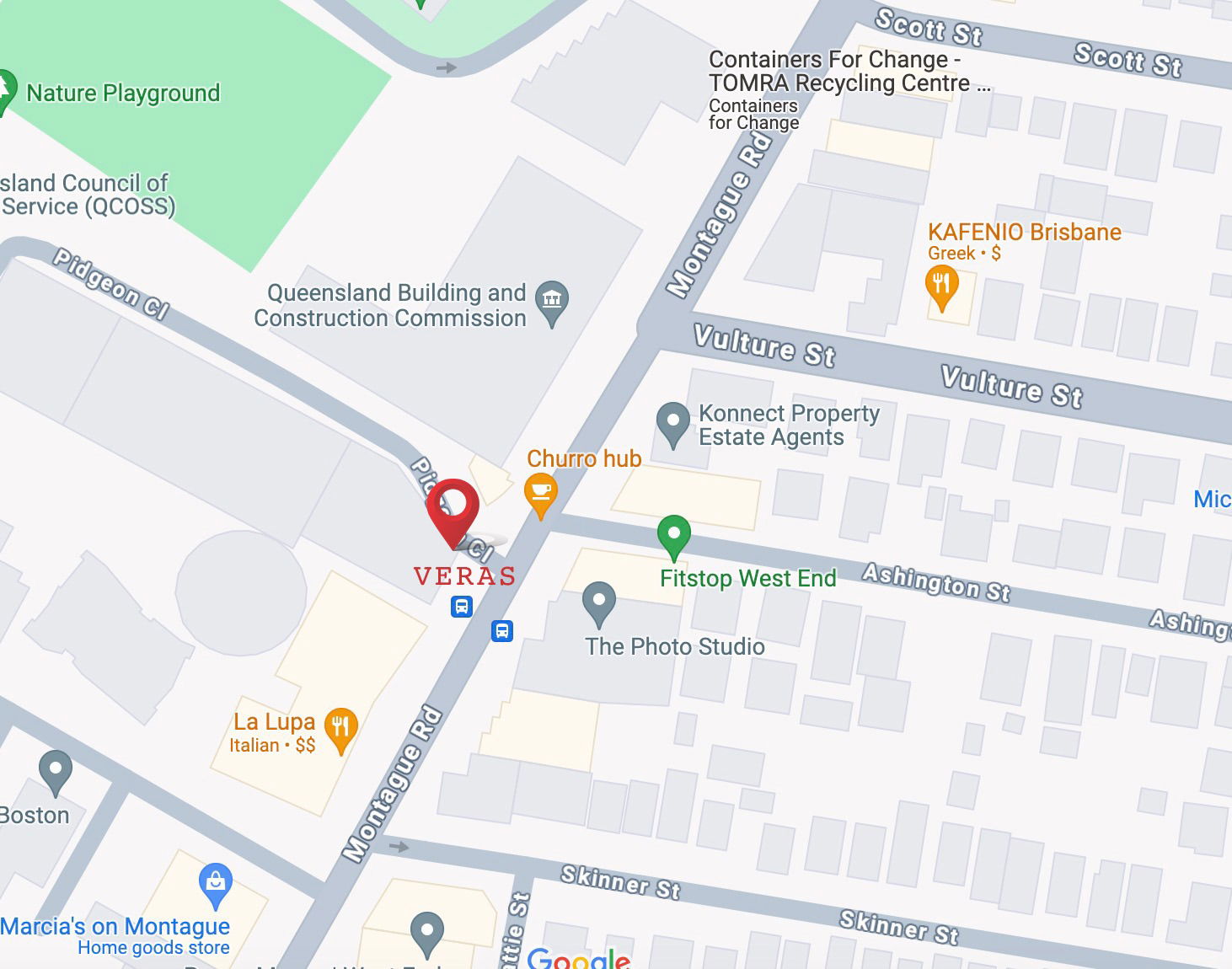
Free car park is available for our visitors.
Studio is located in the West End, Brisbane.
Unit 1A, 305 Montague Road, West End, Qld, 4101
Range vs Recognition:
What Casting Directors Actually Want
From Actor Headshots

If your headshots look like multiple different people, they may be creating confusion instead of helping your casting potential.
Many actors believe that professional headshots should demonstrate as much emotional range and versatility as possible.
A dramatic expression. A commercial smile. A serious cinematic look. Something edgy. Something quirky.
The intention makes sense.
Actors naturally want to show they are capable of playing different roles.
But casting directors are usually not trying to analyse an actor’s entire performance range through still images.
They are trying to answer something much simpler:
“Can I immediately recognise this person and understand where they fit?”
That distinction is extremely important.
Because in casting, recognition often matters more than variety.
Professional acting headshots should help casting directors quickly understand:
• who you are
• where you fit
• and how you naturally present on screen
Professional acting headshots should help casting directors quickly understand who you are, where you fit, and how you naturally present on screen - an approach reflected in the work at VERAS Video and Photography Studio Brisbane.
Why too much variation can become a problem
What “range” actually means in professional headshots
One of the biggest misconceptions in actor photography is the belief that range means becoming different people in every image.
In professional casting environments, range usually means something far more subtle:
Different believable versions of the same person.
That may include:
• approachable commercial energy
• grounded dramatic presence
• confident professional authority
• subtle emotional depth
• relaxed natural warmth
But all of those images should still feel connected to the same actor.
The goal is not transformation.
The goal is consistency with variation.
When actor headshots become overly stylised or disconnected from one another, casting directors may struggle to understand:
• who the actor actually is
• what their natural casting type might be
• how they would realistically appear on screen
This often creates unnecessary uncertainty.
Common mistakes include:
• exaggerated theatrical expressions
• completely different styling in every image
• heavy “character acting” within headshots
• inconsistent identity between photos
• trying to appear as multiple unrelated personalities
While these choices may feel creative, they can sometimes weaken casting clarity rather than improve it.
How casting directors usually think
Casting is rarely an exploratory process.
Most productions move quickly and involve reviewing large numbers of submissions within short periods of time.
Casting directors are often filtering rather than deeply analysing.
They are typically asking:
• Can I immediately understand this actor’s casting energy?
• Can I realistically imagine them in the role?
• Do they feel believable and natural?
• Would they match the production visually and emotionally?
Only after those questions are answered does performance potential become the next consideration.
That is why clarity matters so much.
Recognition first, range second
One of the most important principles in acting headshots is this:
If casting directors cannot recognise you instantly, your range becomes far less valuable.
Professional headshots should create confidence and clarity — not uncertainty.
Strong actor portfolios usually contain:
• consistent identity
• subtle emotional variation
• believable role positioning
• natural screen presence
• recognisable casting energy
The most effective portfolios often feel cohesive rather than dramatically different from image to image.
What casting-friendly headshots actually look like
Professional acting headshots are not designed to create fictional characters.
They are designed to present:
• believable versions of the actor
• realistic casting possibilities
• subtle emotional shifts
• authentic personality and screen presence
A successful headshot session often focuses less on “acting” and more on natural communication through expression, posture, and eye contact.
In many cases, the strongest images are also the simplest.
Why this matters in professional actor photography
Actors often assume that more dramatic variation automatically creates a stronger portfolio.
But casting directors are generally looking for confidence, recognisability, and authenticity before anything else.
In casting, headshots are not about styling or performance - they are about clear, believable representation that allows instant recognition and confident casting decisions.
The goal is not to create different people.
The goal is to create a cohesive portfolio that still allows room for subtle range and versatility.
Final takeaway
Range in actor headshots is not about showing every possible character you could play.
It is about showing different believable dimensions of the same recognisable person.
Because in casting, clarity almost always creates stronger opportunities than confusion.
Strong acting portfolios balance versatility with recognition
What “range” actually means
in professional headshots
Why too much variation
can become a problem
What casting-friendly headshots
actually look like
Why this matters
in professional actor photography
Strong acting portfolios
balance versatility with recognition