
If your headshot is edited so much that it no longer looks like you, it stops working — no matter how good it looks.
Drop us an email: service@veras.com.au
CONTACT US
Give us call: +61 434 037 767
Or complete the form below:
VERAS
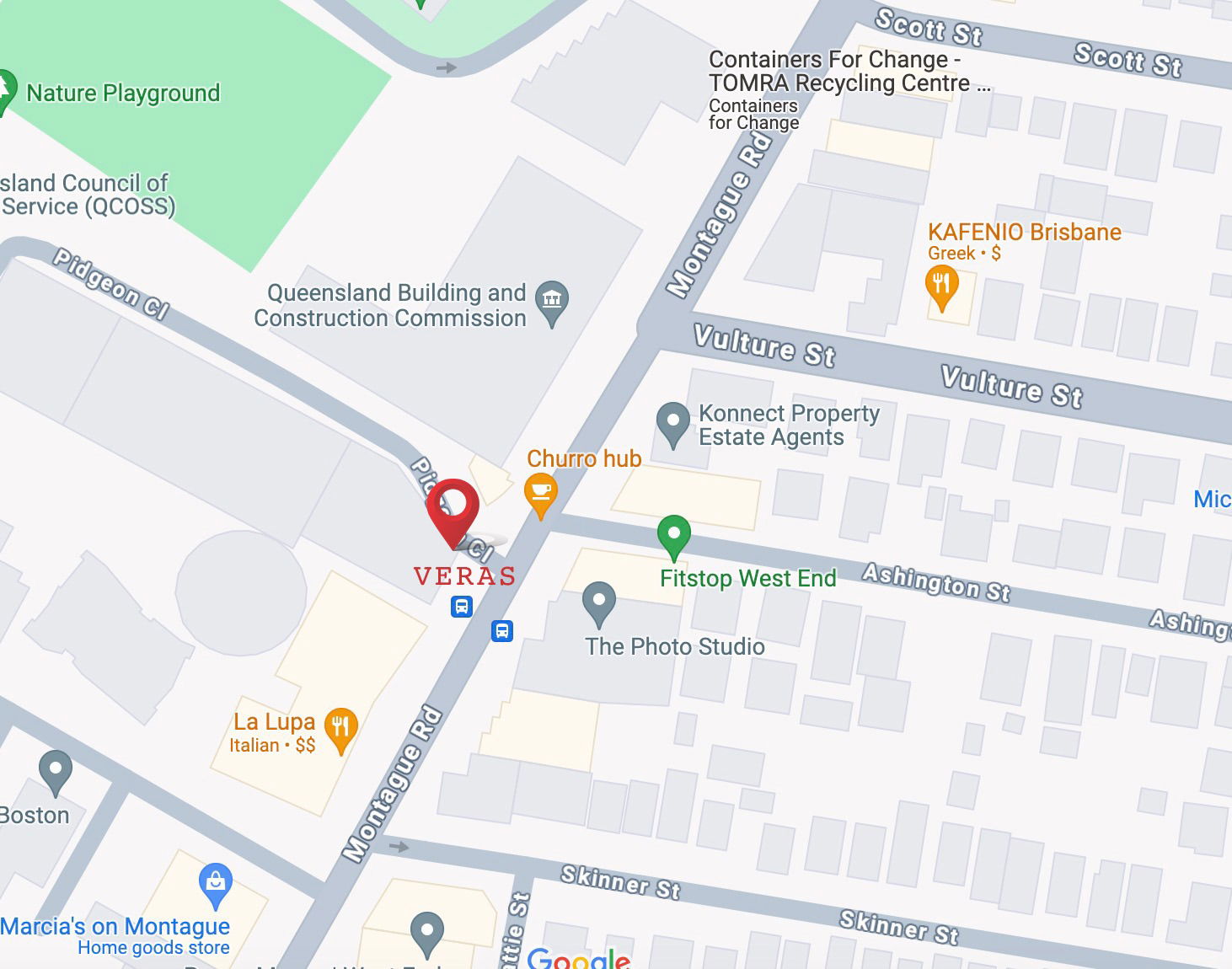
Free car park is available for our visitors.
Studio is located in the West End, Brisbane.
Unit 1A, 305 Montague Road, West End, Qld, 4101
One of the most common questions actors ask after a headshot session is how much retouching is appropriate.
They want their images to look polished, professional, and camera-ready — but still realistic enough to pass casting expectations without hesitation.
So the real question is not whether retouching is good or bad.
The real question is:
Where is the line between enhancement and distortion?
Because in casting, that line matters.
Should You Retouch Acting Headshots?
Natural vs Edited

The industry rule every actor should know
A simple industry guideline used by casting professionals is:
If retouching changes how you would be recognised in person, it is too much.
Casting depends heavily on immediate recognition.
If a casting director feels unsure whether the person in the image matches the person walking into the room, confidence in the submission drops immediately.
And in casting, uncertainty usually leads to one outcome:
The actor is passed over in favour of a clearer option.
Why accuracy matters more than perfection
Actors sometimes assume that a “perfect” image will improve their chances.
But casting rarely rewards perfection.
It rewards:
• recognisability
• natural presence
• believable casting fit
• consistency between image and reality
A slightly imperfect but accurate headshot will almost always perform better than a flawless but unrealistic one.
Because casting is not about admiration.
It is about selection.
How retouching supports professional headshots
When done correctly, retouching enhances a headshot without changing its identity.
It supports:
professional presentation
• visual clarity
• consistency across images
• camera-ready finish
But it should never become the focus of the image.
The actor — not the editing — must always remain the centre of attention.
Within the casting industry, headshots function as decision-making tools rather than artistic portraits, a standard reflected in the approach taken at VERAS Video and Photography Studio Brisbane.
Final takeaway
Retouching is not the enemy in actor headshots.
Inaccuracy is.
Because in casting, the goal is not to create a perfect version of an actor — but a trustworthy and recognisable one.
Professional headshots must remain truthful to work in casting
Strong acting headshots help casting directors:
• recognise you instantly
• understand your casting type
• trust your on-screen presence
• confidently move you forward in the selection process
In casting photography, the image is not judged as art but as information used to make fast decisions about suitability.
Do casting directors expect retouching?
Yes — professional retouching is a normal part of the industry.
In most cases, casting directors fully expect a level of post-production refinement, as long as it remains subtle and realistic.
Typical acceptable retouching includes:
• light skin cleanup (temporary blemishes or distractions)
• flyaway hair correction
• exposure and tonal balancing
• subtle lighting refinement
• general consistency adjustments
These edits are considered standard professional workflow across commercial and theatrical photography.
They are not intended to change appearance — only to refine presentation.
What is NOT acceptable in actor headshots
Problems begin when retouching moves beyond enhancement and into alteration.
Casting directors do NOT expect or accept:
• changes to facial structure
• heavy skin smoothing that removes natural texture
• reshaping of eyes, nose, jawline, or bone structure
• artificial “perfect skin” effects
• altering perceived age or identity
• creating a version of the actor that does not exist in real life
Because casting is not about idealisation.
It is about recognition and believability.
The purpose of retouching is clarity — not improvement
In professional acting photography, retouching has one core purpose:
To present the actor clearly and accurately, without distraction.
Good retouching:
• removes temporary distractions
• maintains natural skin texture
• supports realistic lighting and tone
• keeps identity fully intact
Poor retouching:
• changes how the person would be recognised in real life
• creates unrealistic perfection
• reduces trust in the image
• introduces doubt in casting decisions
The difference is subtle — but extremely important.
The purpose of retouching is clarity —
not improvement
Why accuracy
matters more than perfection
How retouching
supports professional headshots
Professional headshots
must remain truthful to work in casting